Interior Design · 27 January 2026 · 5 min read
How to Build a Timeless Colour Palette
A colour palette that still works in ten years is usually built from proportion rather than from a trend forecast.
The colours that date a room are rarely the neutral ones. They are the saturated accents applied across too much surface area, chosen because they were current rather than because they suited the light in that particular space.
Work to a ratio
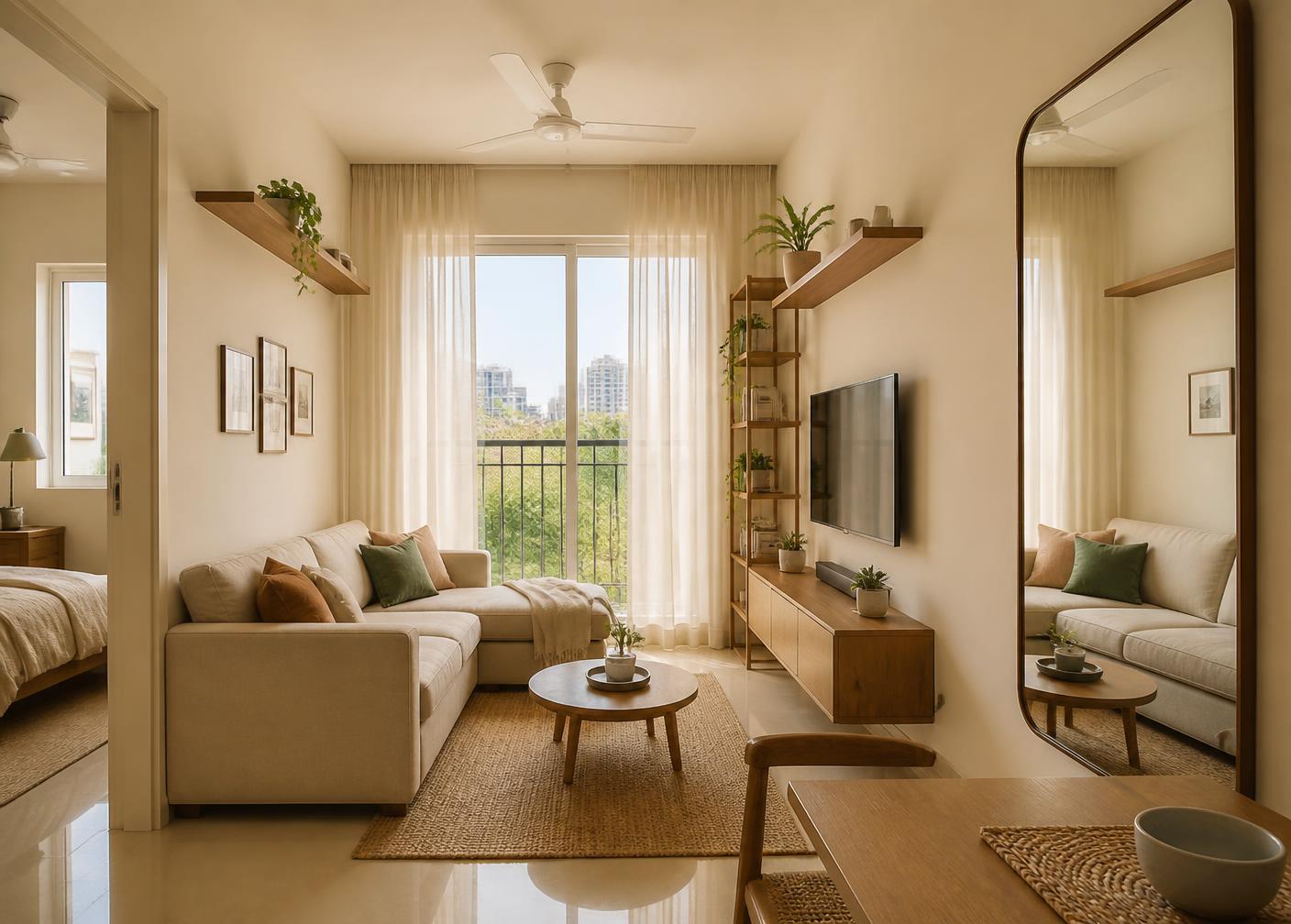
A dependable structure: roughly 70% base tone, 20% secondary, 10% accent. The base carries walls and large surfaces, the secondary covers upholstery and joinery, and the accent appears only in small, replaceable quantities.
Choose the base against the daylight
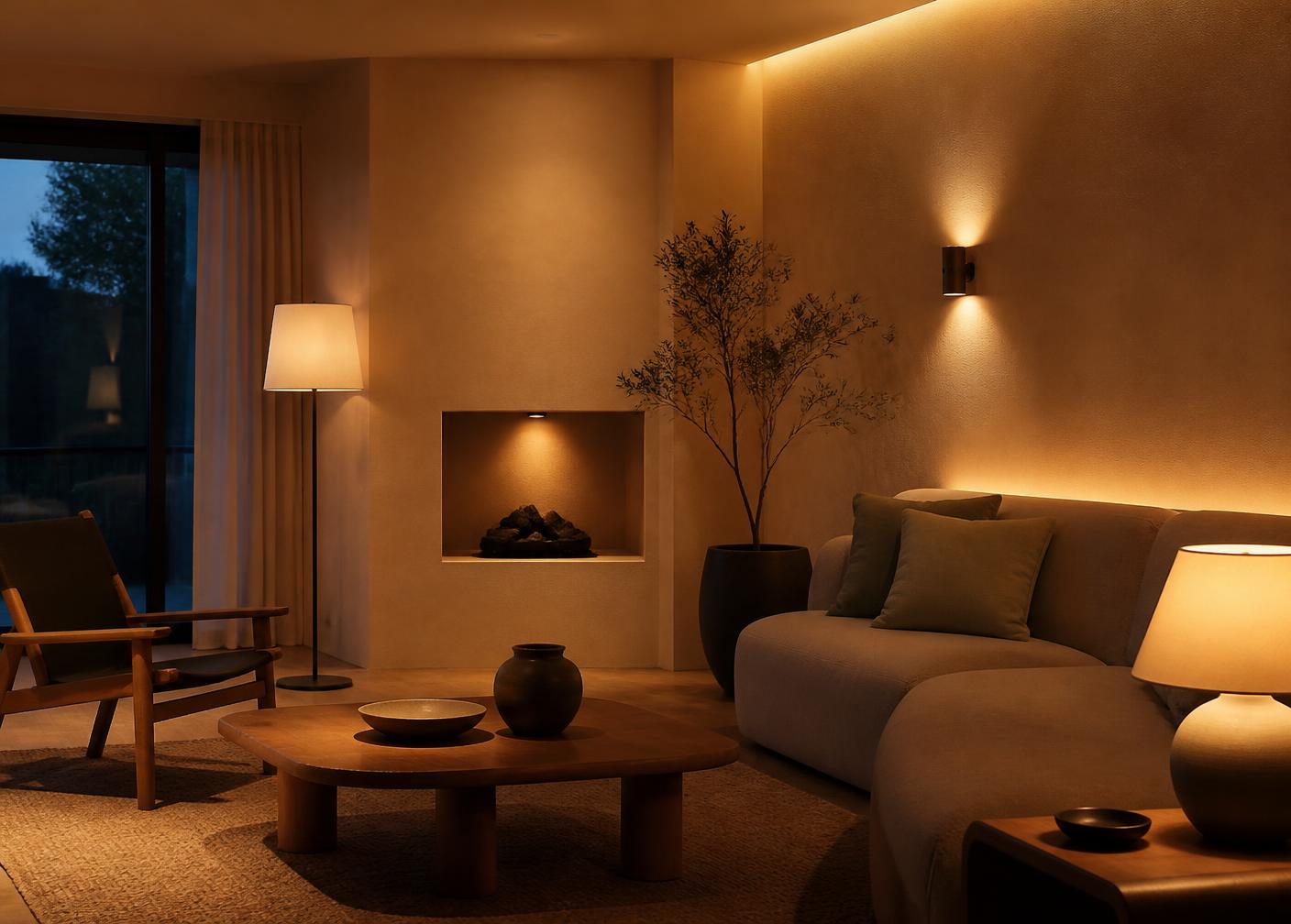
Paint a large sample directly on the wall and look at it at three different hours. A warm ivory that glows at 4pm can turn yellow at 9am on a south-facing wall.
Let texture do some of the work
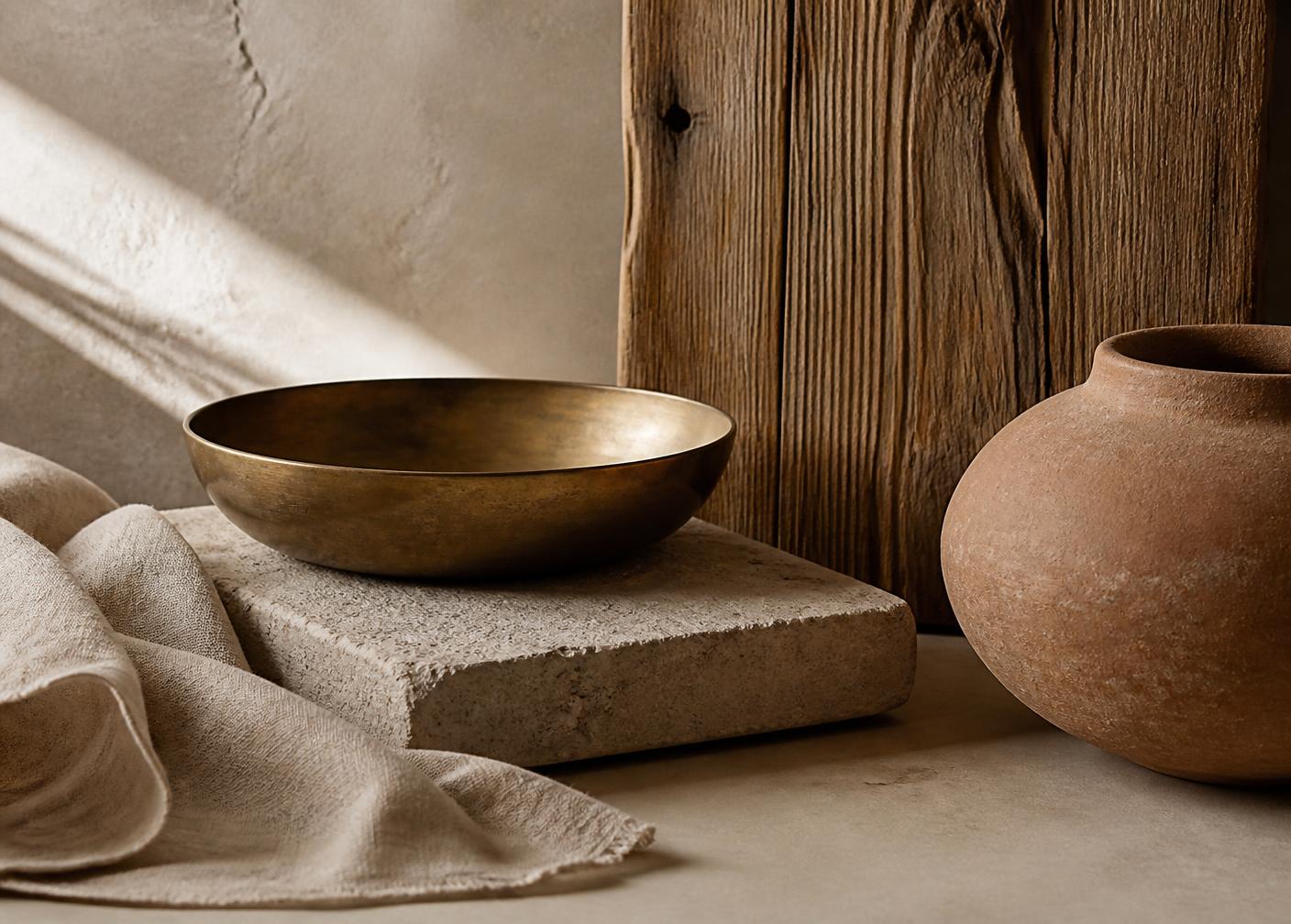
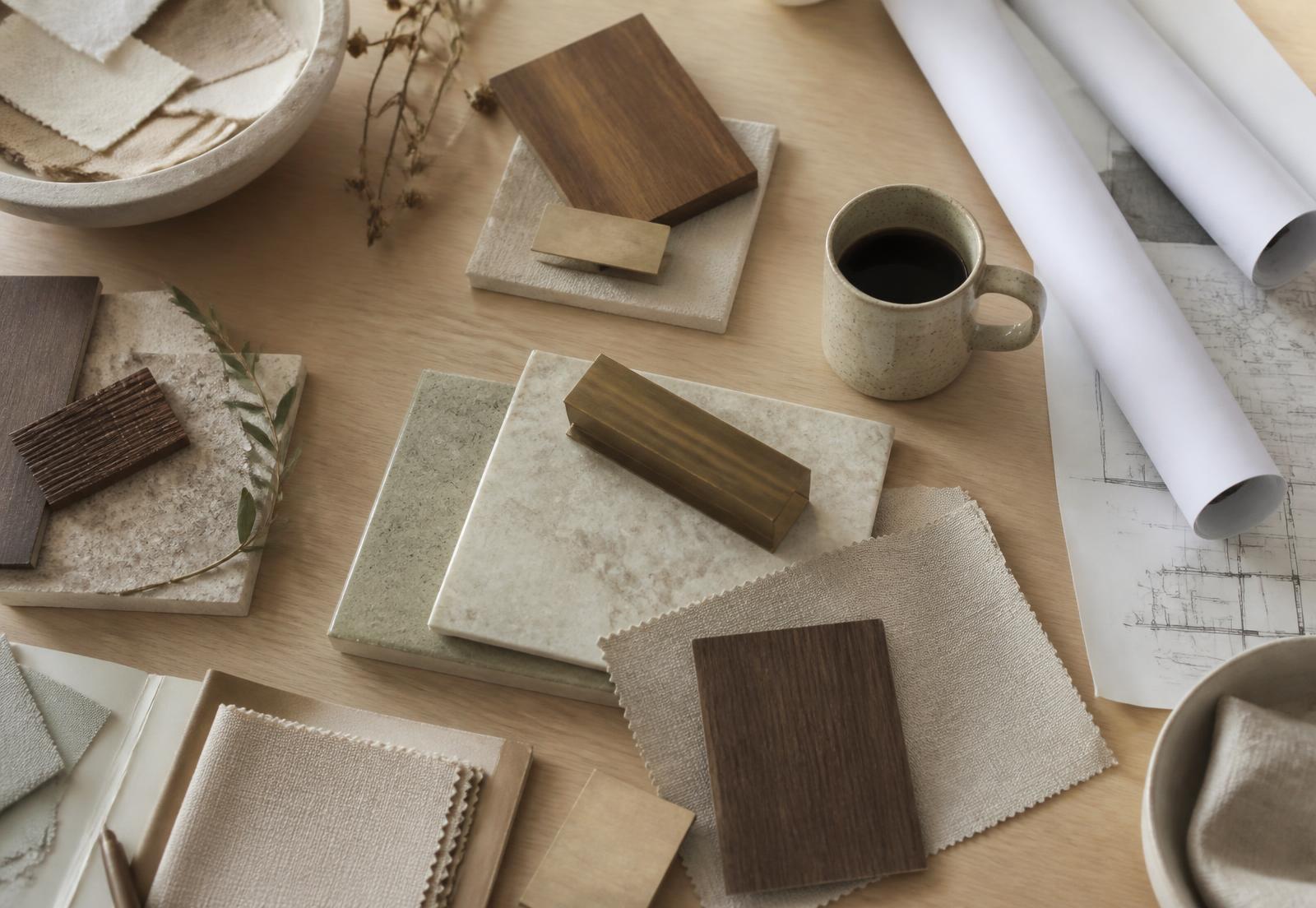
A palette of three tones across five textures is richer than a palette of eight tones on flat surfaces. Weave, grain and matte-versus-honed carry more nuance than hue.
Keep the accent replaceable
If the accent colour lives in cushions, art and a rug rather than in tiling and joinery, you can change your mind in five years for the cost of an afternoon.